
Arrest Warrants in Whitfield County
In Whitfield County, an arrest warrant is judicial process: a judge or magistrate reviews a sworn application and the facts behind it before authorizing custody. Once signed, the order reaches WCSO Court Services, which enters Magistrate warrants into the computer system and serves criminal warrants and court orders from every court. Application, review, signature, entry, and service are separate steps, and the arrest is only the last of them. Access to an affidavit or service detail can be limited, though, by a pending investigation, a seal, juvenile confidentiality, or another lawful exemption.
Whitfield Magistrate Warrant Applications
The Whitfield Magistrate eFiling menu offers a "File Warrant Application" route, and that official page spells out the requirements. One stands out: the filer must have an incident report dated within the prior 30 days. This channel starts an application only. It is not a public name lookup. Filing it does not mean a judge issued a warrant. Magistrate Court answers questions at 706-278-5058, and callers should distinguish a criminal application from a civil filing that also uses the word "warrant." The online disclaimer puts accurate filing and any costs on the filer. Judicial review remains a separate step. For city matters in Whitfield County, the Dalton Police Records page shows the local records channel.
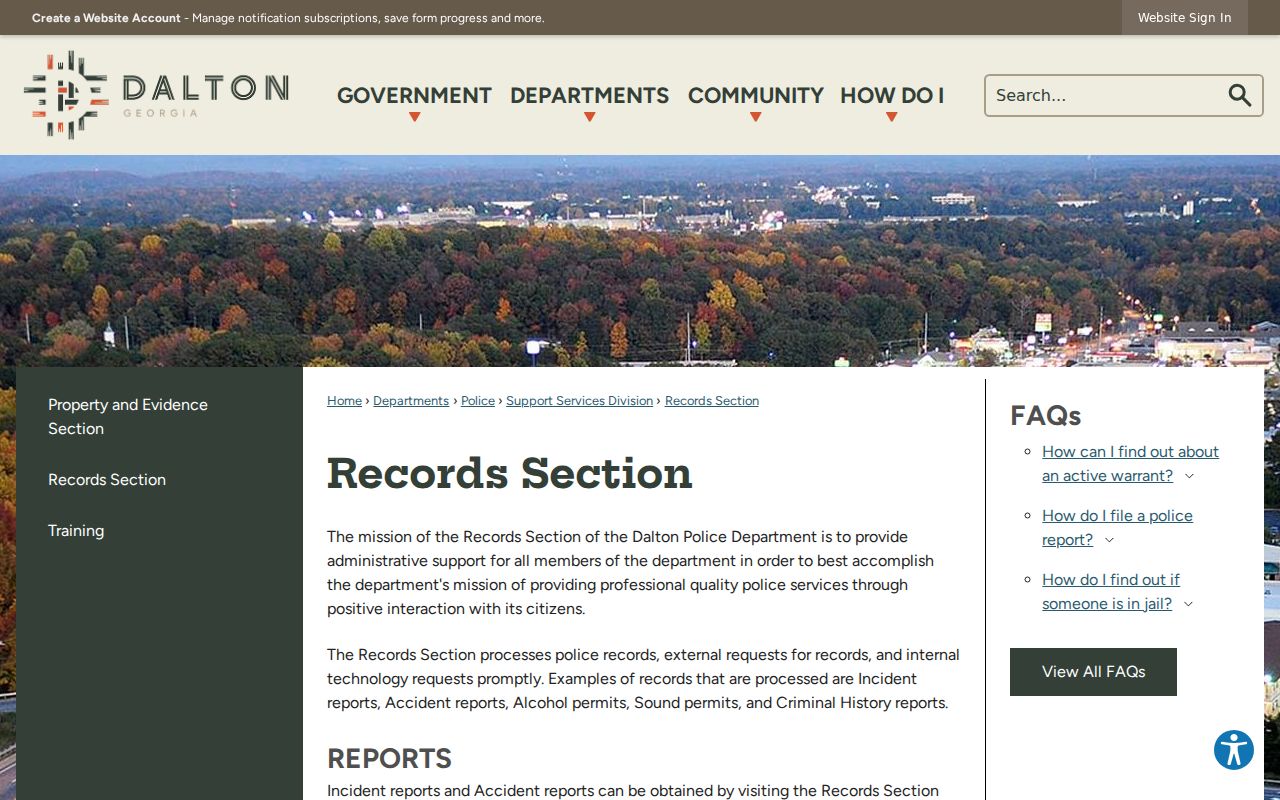
The image helps separate a city records contact from the county Magistrate application process.
What a Whitfield County Arrest Warrant Contains
Fields vary by court and access rule in Whitfield County. The most useful routing details are the issuing court, process type, date, case reference, status, return, appearance setting, and any recall notation.
| Warrant Number | A court-issued reference, such as local case ID |
|---|---|
| Named Subject | The legal name on the order |
| Charge / Offense | The public alleged-offense label |
| Issuing Judge / Court | The court controlling later action |
| Bond / Bail Set | Authorized terms, when public |
| Date Issued | The judicial issuance date |
Whitfield Arrest Warrant Phone Check
The sheriff posts no public arrest-warrant database for Whitfield County. A phone check works instead. The 2026 Georgia Sheriffs' Association directory lists 706-876-1462 as the warrant phone and 706-278-1233 as the main 24-hour number. Have the full legal first and last name plus date of birth ready. Ask staff which court issued the warrant and where to call next. Georgia's official guidance notes that local practice may require a phone answer, government identification, or an in-person visit. It also warns that checking one's own status in person can lead to custody. Counsel can contact the court first and plan surrender, bond, or a filing. GCIC and NCIC stay inside law enforcement; neither is a public self-search product.
Key point: A missing web result does not establish that no Whitfield County arrest warrant exists.
The official Dalton Police page documents a city law-enforcement contact within Whitfield County.
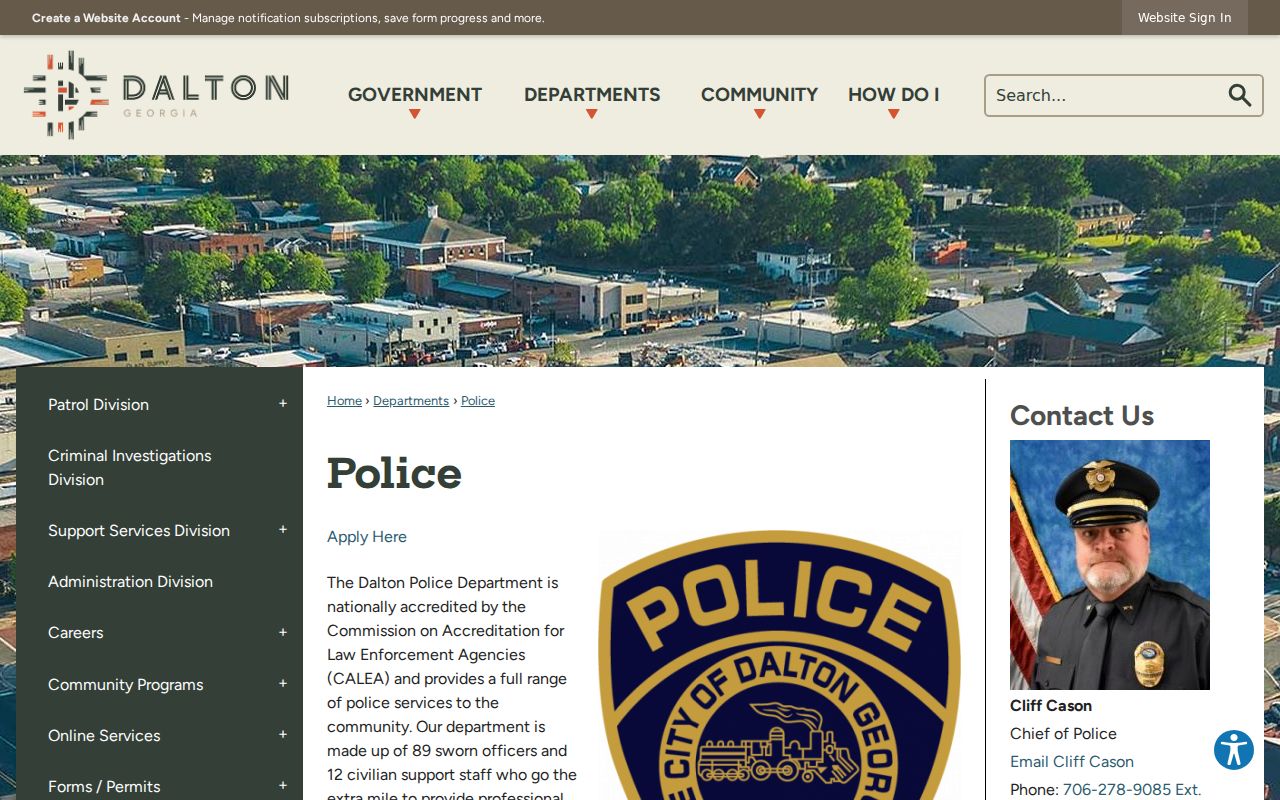
The city page supports jurisdiction-first routing instead of relying on one countywide web list.
How Whitfield County Arrest Warrants Are Served
Serving a Whitfield County warrant falls to WCSO Court Services, which executes criminal warrants and court orders. City police arrest within their own authority too. County detention then receives arrestees from WCSO, Dalton, Tunnel Hill, Cohutta, Varnell, Georgia State Patrol, GBI, FBI, and occasional federal agencies. So the arresting agency and the issuing court may not match. Booking, first appearance, and bond after arrest all depend on the order. WCSO generally describes first appearance within 48 hours for criminal charges, subject to listed exceptions. That broad schedule predicts nothing about one case.
Whitfield Arrest Warrant Access Rules
The Georgia Open Records Act favors public access, subject to exemptions. The Attorney General says an agency normally makes a record available within three business days, or sends notice stating when it will be available, the estimated cost, and the legal basis for withheld material. Pending-investigation, privacy, sealed-record, and juvenile limits may apply in Whitfield County. WCSO Records/Permits takes open-records requests at 706-876-1520. The sheriff publishes no dedicated warrant form or warrant-specific fee. A good request names the agency, record type, date range, and preferred delivery form, and asks the agency to separate releasable portions. Demanding every warrant may be overbroad. Court records and a sheriff confirmation are different access channels. The city also publishes an official forms page for its records-request route.
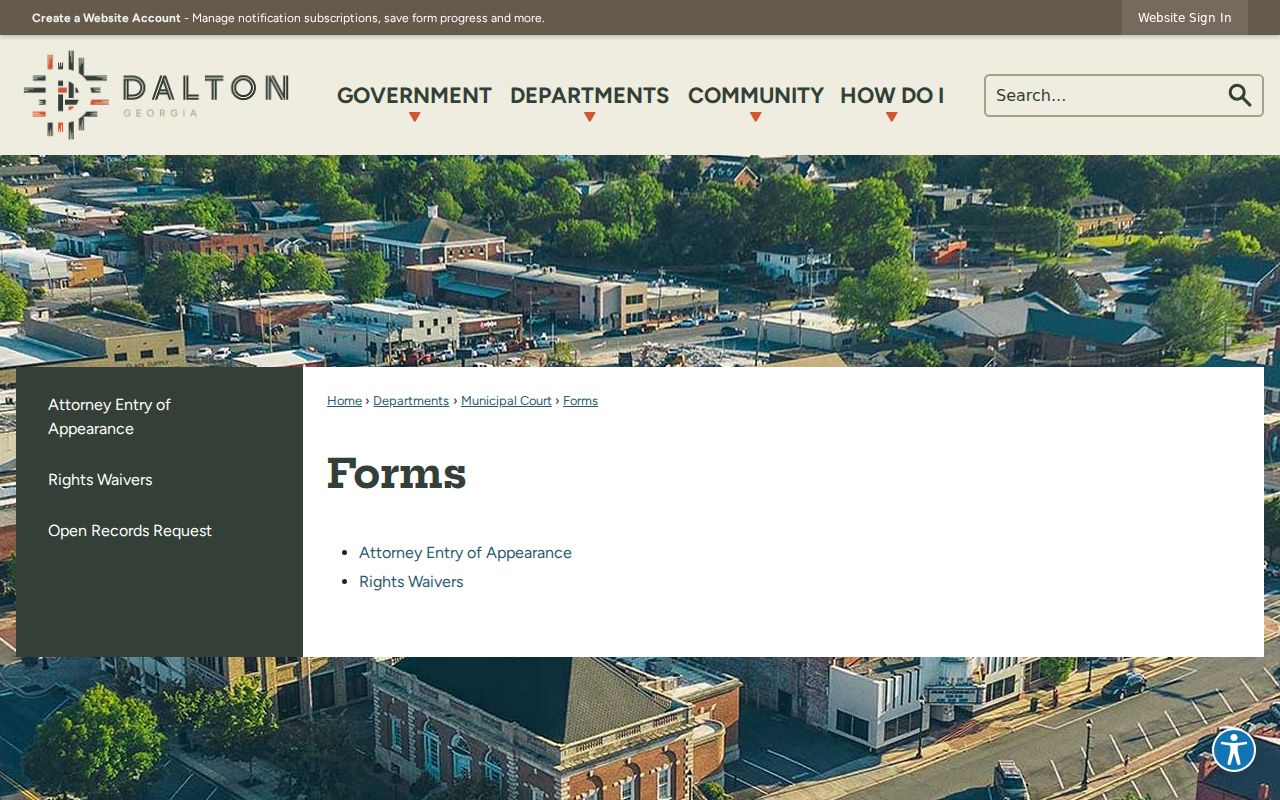
The official Whitfield County page shows why a records request must go to the agency that actually holds the record.
Arrest Warrant vs Summons vs Bench Warrant
Whitfield County courts release different fields depending on the court and its access rules. For routing purposes, look for the issuing court, process type, date, case reference, status, return, appearance setting, and any recall notation.
| Feature | Arrest Warrant | Summons | Bench Warrant |
|---|---|---|---|
| What It Orders | Arrest | Appearance on a date | Custody for a missed duty |
| Basis | Judicial review of an alleged offense | Notice to answer a matter | Failure to appear or comply |
| Who Issues It | Judge or magistrate | Court or authorized officer | Judge handling the case |
| How to Respond | Counsel, surrender, and bond | Appear as directed | Recall, quash, or appearance |
Whitfield Arrest Warrant Bond Facts
WCSO lists cash, property, and bonding-agency methods for bond. Its public FAQ says every bond carries a $20 fee, and a property bond requires a tax-office statement and identification. That published fee is not a standard bond amount. It also does not show that every warrant is bondable. Current terms must come from detention staff or the issuing court. Dalton publishes selected common-fine and standard-bond examples for city matters, but that document is not a universal Whitfield County schedule. Never infer the amount for an arrest warrant from a traffic sheet or an online payment portal. After booking, family members can use the sheriff's 24-hour channel for custody information while counsel handles legal strategy. The Dalton Support Services page gives system-level records context without publishing personal warrant data.
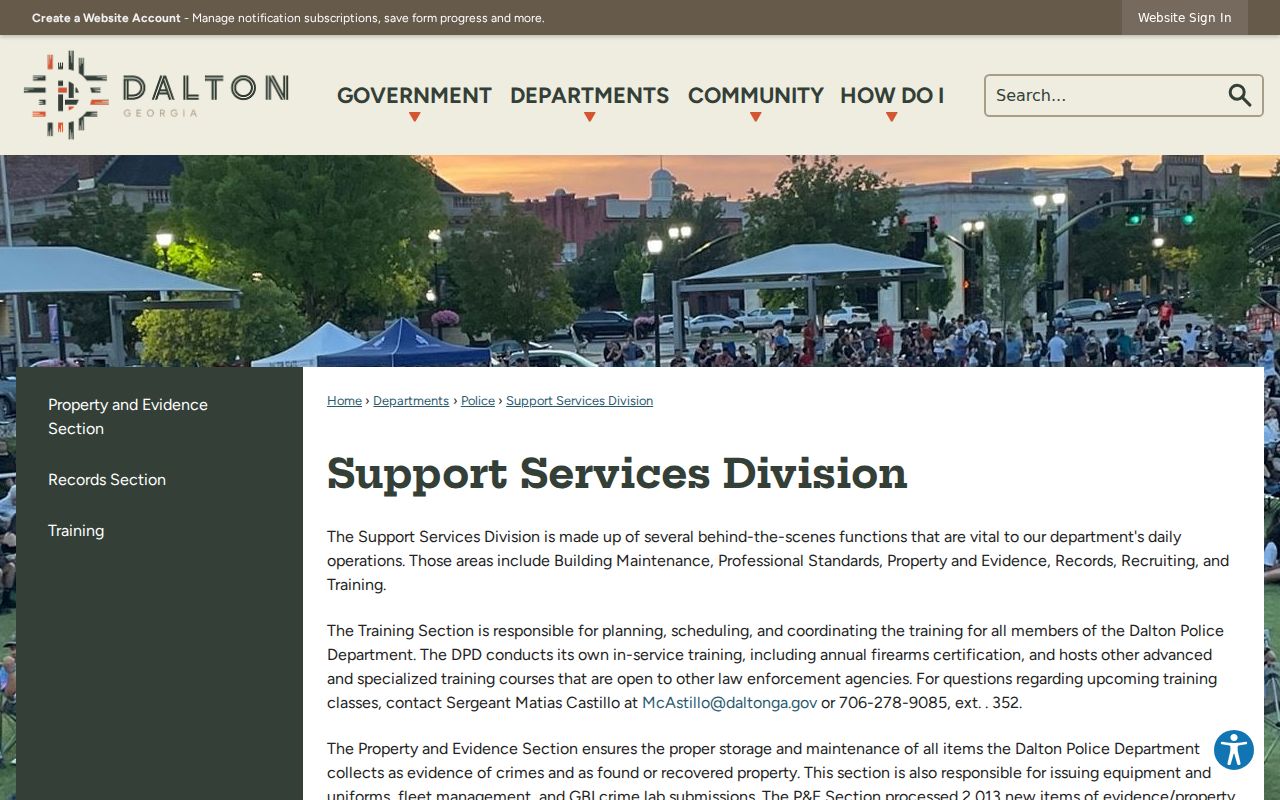
Dalton's public workload information confirms an active city warrant workflow. It does not state how many Whitfield County warrants remain open.
What to Do If There's a Warrant for You
Call the official warrant line and confirm which court issued the order. Then talk with a lawyer. Counsel can weigh voluntary surrender, posting bond, and whether a motion to recall or quash is legally available. Bring identification and any case papers. Only the issuing court or another authorized judicial process can end the warrant. Watch for one scam. The Superior Court Clerk warns of jury-duty texts demanding $500 under threat of a bench warrant. Neither the clerk nor the sheriff texts requests for banking information, so never answer an unsolicited demand for money; call an official number instead.
Important: Speak with a lawyer before surrender; an active Whitfield County arrest warrant can result in custody during law-enforcement contact.
Whitfield Agencies and Issuing Courts
In Whitfield County, warrant questions start with the court that issued the order. The Superior Court Clerk lists 706-275-7490 for Criminal. That office sits at 205 N. Selvidge Street in Dalton. Magistrate Court uses 706-278-5058. Municipal warrants in Whitfield County can begin in Dalton or in another city court within that court's own authority. The court name, not the arresting agency, decides where a filing or status question belongs. Federal process runs on a separate track. Whitfield County lies in the Northern District of Georgia's Rome Division, where sealed warrants and indictments stay out of public view even though PACER exposes other docket material. The U.S. Marshals Rome office enforces federal orders, not county warrant checks. A missing Whitfield County result cannot rule out another jurisdiction. Before acting, compare the name, date of birth, court, and case reference the official office supplies. Similar names cause real confusion. A detention entry may reflect an arrest by an agency other than the court that issued the warrant. Ask whether the status is active, recalled, served, or otherwise disposed. Request the date of the last update when that detail is public. A case-search portal may help locate a docket. Treat it as a docket tool, though, not a complete warrant lookup. Then preserve every written instruction. A surrender plan, bond instruction, filed motion, or court date should be confirmed through counsel or the clerk. If records conflict, ask the issuing court whether Court Services has received the latest order. Keep the Whitfield County inquiry on official process. A stale web result is never a final answer.