
How to Check for a Warrant in Whitfield County
Georgia has no public statewide warrant index. The state's own guidance points people to the local sheriff. For a county criminal matter, Whitfield County Sheriff's Office Court Services or its warrant line is the first call, while a city citation or a missed city setting belongs with the municipal clerk instead. Have a full first and last name and a date of birth ready, because staff need them to tell apart people with similar names. When the issuing court is unclear, a careful Whitfield County warrant check may touch several offices. An online case result can add context. It does not settle current warrant status. Only the court or sheriff responsible for that process can confirm it.
- Identify whether the matter began with the county or with Dalton, Varnell, Tunnel Hill, or Cohutta.
- Call the WCSO warrant line at 706-876-1462 for a county-level check.
- Ask the relevant court clerk about a missed setting, citation, or court order.
- Use Records/Permits at 706-876-1520 when a written records request is appropriate.
- Speak with a Georgia lawyer before appearing or arranging surrender.
Whitfield County Has No Single Public Warrant Portal
Whitfield County keeps its warrant trail spread across offices rather than one portal. WCSO Court Services receives and processes criminal warrants and enters appropriate records into GCIC and NCIC. Those systems serve law enforcement, not public searching. The county's Tyler case search helps locate court information, and the Magistrate Court menu includes a warrant-application filing route. Neither is a verified complete list of active Whitfield County warrants.
Verification matters: a missing web result does not prove that no Whitfield County warrant exists in the person’s name.
No single portal covers Whitfield County. Use the WCSO warrant line, the issuing clerk, or a city court where municipal jurisdiction is possible. The layered approach mirrors how local records are divided.
Types of Warrants in Whitfield County
Whitfield County warrants come in several types, and each points to a different office. A criminal arrest warrant is not a search warrant. A civil dispossessory warrant cannot arrest a renter. The label tells you which court can explain the process.
| Type | How it arises | Issuing authority |
|---|---|---|
| Arrest warrant | A judge finds a lawful basis for arrest after an application or investigation. | Magistrate or another criminal court |
| Bench warrant | A person fails to appear or comply with a court order. | The judge handling the case |
| Search warrant | A judge authorizes a search after a sworn showing. | A court with authority |
| Traffic FTA warrant | A required traffic appearance is missed. | Probate or municipal court |
Juvenile matters stay in a restricted Juvenile Court. Federal warrants belong to the Northern District of Georgia, not a Whitfield County court.
Whitfield County Court Records Need Context
Whitfield County's Clerk of Superior Court holds Superior Court criminal filings and offers a case-search route. Magistrate Court handles its own functions, including arrest-warrant applications. Probate Court receives many citations written by WCSO and the Georgia State Patrol. Each municipal court runs its own city docket. Juvenile Court records follow a separate path. A docket entry can prove a case exists without proving a live warrant. Status can change after service, a recall, or a new appearance. Ask the office that created the entry what its status term means and when it changed. County and current state clerk sources identify Babs Bailey as Whitfield County's Clerk of Superior Court. An older vendor page naming a prior clerk should not control.
What a Whitfield County Warrant Record Shows
A confirmed Whitfield County warrant record may identify the person, the issuing court, the alleged offense, the issue date, a number, and a status. A bond entry may appear too. No verified countywide bond schedule covers every warrant. Read the fields together, then confirm each with the source office.
| Record number | A court or agency identifier, such as case number; no uniform public local format was verified. |
|---|---|
| Name and birth date | Identifiers used to separate people with similar names. |
| Charge | The stated legal basis, not proof of guilt. |
| Issuing court | The office able to explain or recall its process. |
| Bond or terms | Conditions that require current confirmation. |
| Status | A label such as active, served, or recalled that must be verified. |
A city fine sheet or vendor amount is not a final bond quote for a current Whitfield County warrant.
WCSO Warrant Calls and Records Requests
The Georgia Sheriffs' Association's 2026 directory lists 706-876-1462 as the Whitfield County warrant phone. The main, continuously staffed number is 706-278-1233. WCSO Court Services handles criminal warrants and court orders. For a written request when a phone answer is not enough, Records/Permits at 706-876-1520 is the practical route.
Whitfield County Sheriff’s Office
805 Professional Boulevard
Dalton, GA 30720
Warrants: 706-876-1462
Main: 706-278-1233
Georgia's guidance says a sheriff answers a direct warrant question for free. Staff may still require identification or an in-person visit, so call the Whitfield County sheriff first to confirm the safest method.
Who Issues and Serves Whitfield County Warrants
Courts issue Whitfield County warrants; law-enforcement agencies receive, enter, and serve them. Superior Court handles serious criminal matters in the Conasauga Judicial Circuit. Magistrate Court can issue arrest warrants. Probate Court handles many county traffic matters. The municipal courts of Dalton, Varnell, Tunnel Hill, and Cohutta take city ordinance and traffic cases within their authority. WCSO Court Services receives criminal warrants from Magistrate Court and enters qualifying information into GCIC and NCIC for law-enforcement use. City police may act on city process. The sheriff carries county enforcement and detention duties. On what must happen to recall or resolve its order, the issuing court remains the source.
Whitfield County Warrant Applications Are Not Searches
Whitfield County residents sometimes mistake the Magistrate Court's eFiling menu for a search tool. It isn't one. The "File Warrant Application" option starts new criminal process. It will not tell you whether a Whitfield County warrant already carries your name. Before applying, the menu says, you must report the incident to law enforcement and file within 30 days of that report. The filer, not the court, bears responsibility for correct filing and for any applicable fees. Different jobs need different doors. Checking your own status means calling WCSO or the issuing clerk. Seeking charges means following the application rules, and a public case-search screen returns court records rather than live confirmation of active warrants. One more trap: a "warrant" on a dispossessory form is a civil possession remedy, not an arrest record.
What to Do If You Have a Whitfield County Warrant
A Whitfield County warrant does not clear itself. Paying an online amount proves nothing. A blank web result or a call to the wrong court proves nothing either. Confirm the issuing court, ask what action it requires, and consult a licensed Georgia attorney. Counsel may weigh a court appearance, a request to recall the warrant, voluntary surrender, or bond; only the court and the responsible agency can confirm present status.
Important: call counsel before appearing in person, because Georgia warns that a person checking an active warrant may be taken into custody.
Hang onto receipts, notices, and any certified or file-stamped disposition. Whitfield County paper trails matter. Check that both the court record and the agency holding the process show the change, because payment alone cannot show a judge recalled a warrant.
Whitfield County Traffic Cases Split by Agency
The officer and location on the citation usually reveal the right court. WCSO and Georgia State Patrol tickets generally head to Whitfield County Probate Court. A Dalton citation belongs to Dalton Municipal Court. Varnell and Cohutta run their own city courts. There is no centralized traffic-citation database. Georgia Courts warns that a new ticket may take 7 to 21 business days to appear. A failure to appear can also hit a Georgia license through DDS. That administrative status is not a public warrant index. Resolve the court obligation, get its release, then follow DDS instructions if a suspension exists. The Whitfield County traffic warrant process keeps the court record first.
Public Access to Whitfield County Warrant Records
The Georgia Open Records Act covers agency records in Whitfield County. It reaches only so far. Pending investigations, confidential sources, sealed records, protected personal information, and juvenile material may be withheld or redacted. Court records follow judicial access rules, so an agency request and a clerk request are not always interchangeable.
Key Rules:
O.C.G.A. §§ 50-18-70 through 50-18-76 create Georgia’s public agency record framework and its exemptions.
Attorney General guidance says an agency generally must respond within three business days, even if production takes longer.
Lawful search, retrieval, redaction, and copying costs may apply, with an estimate when expected charges cross the legal threshold.
Whitfield County Juvenile and Sealed Limits
Juvenile process is not a small-scale adult Whitfield County warrant record. Juvenile Court handles youth matters. Public access there is restricted. Sealed records and protected personal details also stay outside ordinary inspection, and a refusal to release such material does not prove no process exists. Ask narrowly: record type, date range, court, and known identifiers. A tight request cuts delay and cost. When an agency withholds a public agency record, Georgia guidance says it should identify the legal basis for the exemption. Counsel can handle a sealed matter or a disputed denial.
Whitfield County Most-Wanted Web Gap
Whitfield County publishes no current official most-wanted roster and no complete public active-warrant list. Older links may resurface. Treat any returning page as unconfirmed until the agency vouches for it. Even a restored most-wanted feature would be a selected public-safety subset. It would not list every outstanding warrant. Never read the absence of a name as proof of clean status. For a self-check, call Court Services and the issuing court. For a tip about a person an official agency profiles, use the channel on that official page. Report, don't approach.
Whitfield County Scam Warning
The Clerk of Superior Court has warned about false jury-duty messages demanding payment. No court demands gift cards. None demands cryptocurrency or an improvised payment channel. A caller or text promising to cancel an immediate arrest for money should not be trusted. Hang up. Call a number the county, sheriff, or court publishes rather than one in the demand. Payment vendors play narrow roles: Dalton routes eligible payments to JusticeONE, Varnell uses Government Window, and Cohutta links to EZCourtPay. A receipt does not prove a Whitfield County warrant recall, so confirm status with the court and keep its written disposition.
Warrant Records by City in Whitfield County
Whitfield County holds four incorporated municipalities under the joint plan and the 2020 Census list. They are Dalton, Varnell, Tunnel Hill, and Cohutta. City police and courts handle local traffic and ordinance cases, so a city check may come before any county warrant inquiry. The Census incorporated-places table confirms the four-city set behind these local routes.
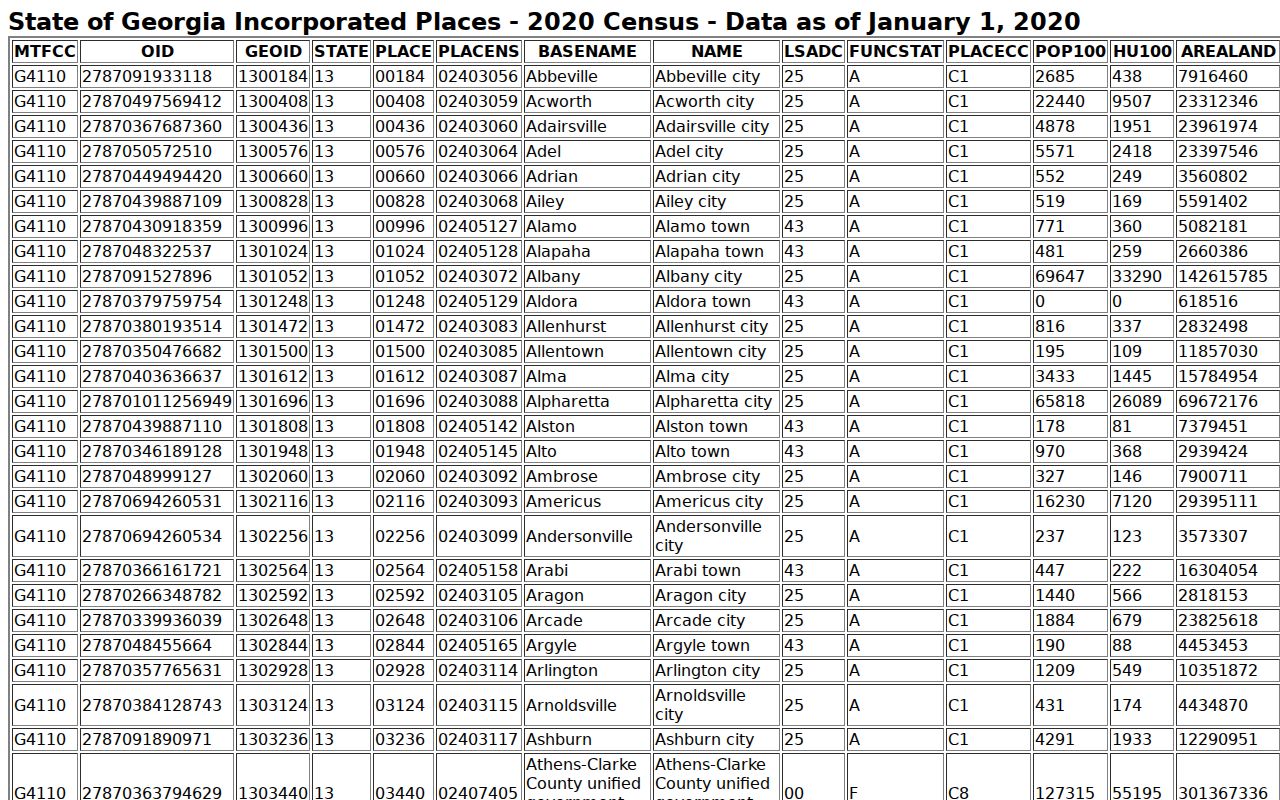
The table is civic context only. It places Whitfield County's cities by population but holds no court cases, warrant status, or personal records.
Dalton
Municipal Court and Police Records provide the strongest city web route.
Whitfield County Federal Warrant Boundary
A federal warrant is not a Whitfield County court record. Federal matters here belong to the Northern District of Georgia. Its Rome Division sits at 600 East First Street in Rome. Public federal case information may appear through PACER. Sealing and redaction still limit what appears there. Fugitive enforcement is the U.S. Marshals Service's job. Use federal channels only for a truly federal matter. WCSO and local clerks cannot touch a federal order, and a federal case screen will not say whether a local warrant exists. Keeping the systems apart keeps a result from landing in the wrong jurisdiction.